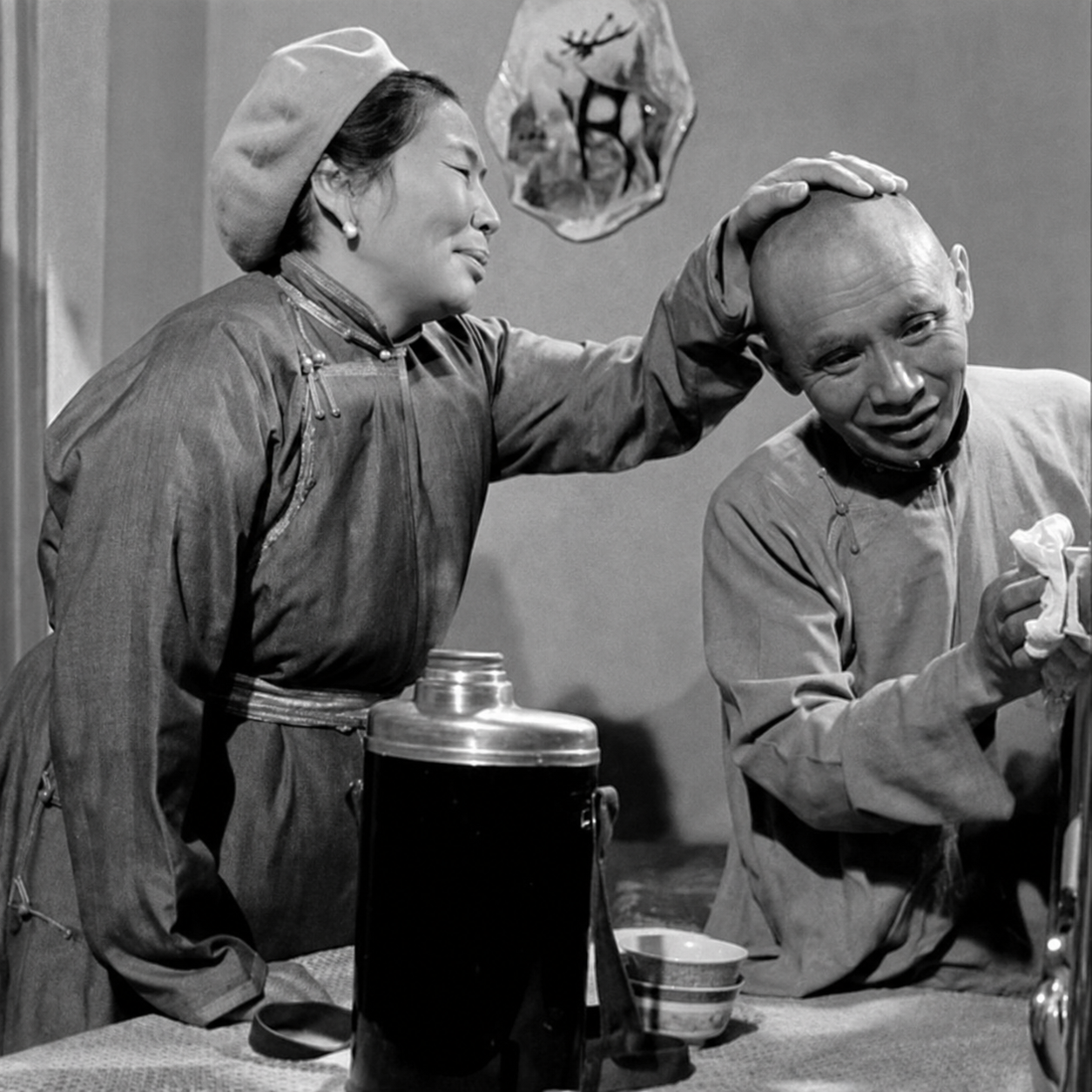
Mongolian screen comedy has used satire, mistaken identity, family pressure and the contrast between countryside and city life. English titles vary across archives, so this guide preserves recognizable translations while identifying films by their Mongolian titles where available. 1. Before Adding a Rank This film is made in 1965. It is about a Nobleman named […]

Mongolian folk tales can be comic, frightening, morally ambiguous and sharply observant about power. The word “vicious” in the original title points to their darker turns; these stories are best read as oral-literary variants rather than as one fixed canonical text. Oral storytelling changes with each teller and audience. Tricksters often defeat danger through wit. […]

Explore Mongolian oral poetry without melody, including household incantations, protective sayings, milk libations and the cultural meaning of spoken ritual.
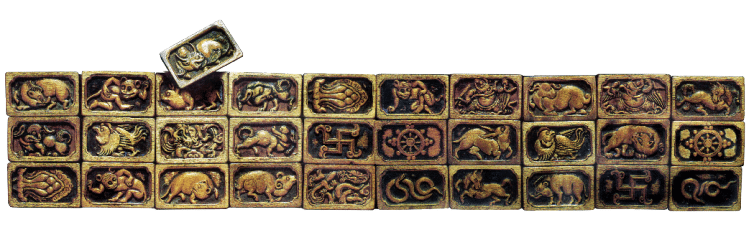
Mongolian game paintings turn cards and playing pieces into miniature works of art filled with animals, social scenes and ritual meaning.

About the epic ‘Eriin sain Khan Kharangui’, the beginning is the unusual birth of the hero, its power and eulogy of the mountains and rivers. In the first part of the epic ‘Eriin sain Khan Kharangui’ we hear: Khan Kharangui Was born and Rebelled against The heaven, He also rebelled […]
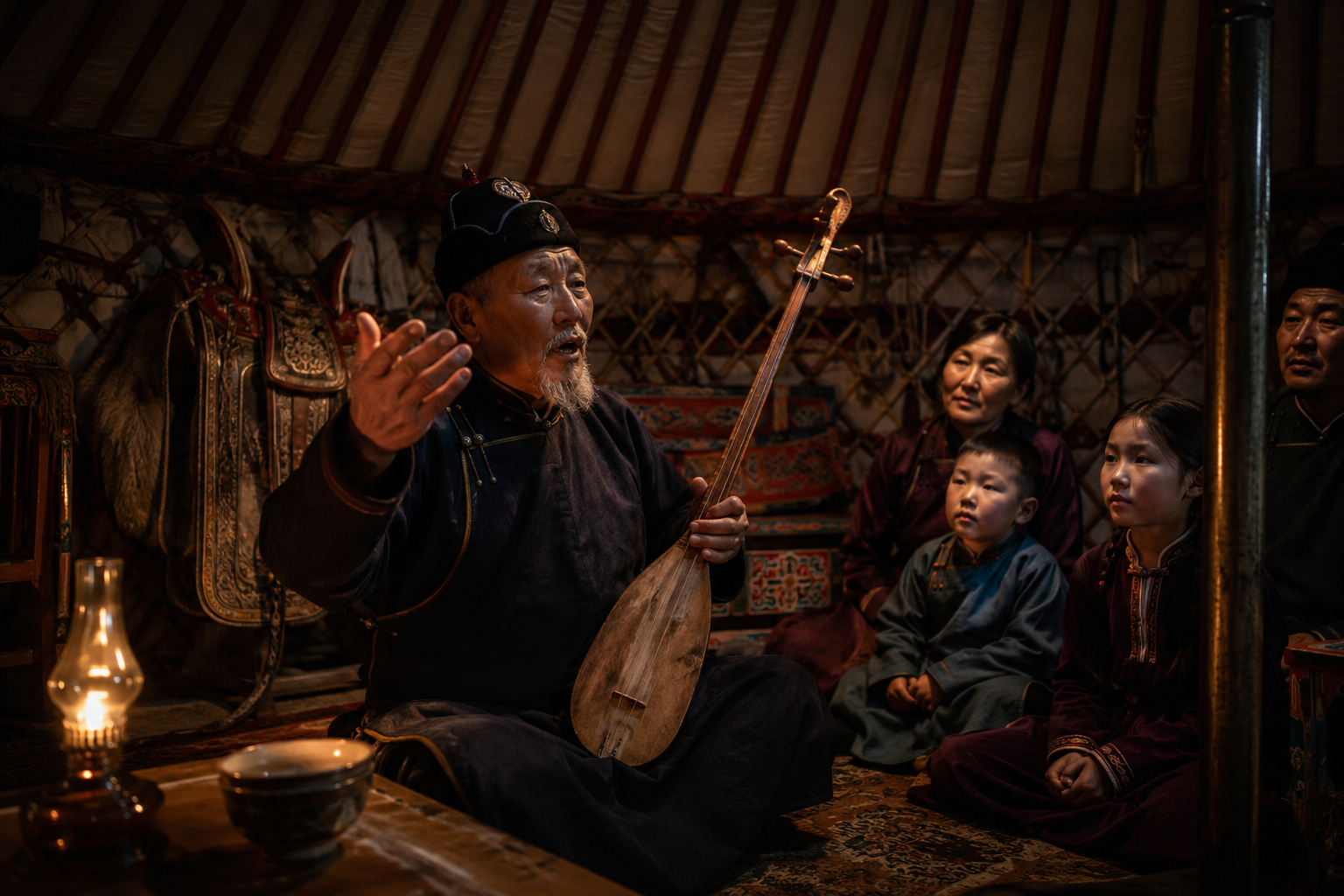
Mongolia’s heroic epics are vast oral narratives performed by specialist tuulchi with music, memory and ceremonial purpose.
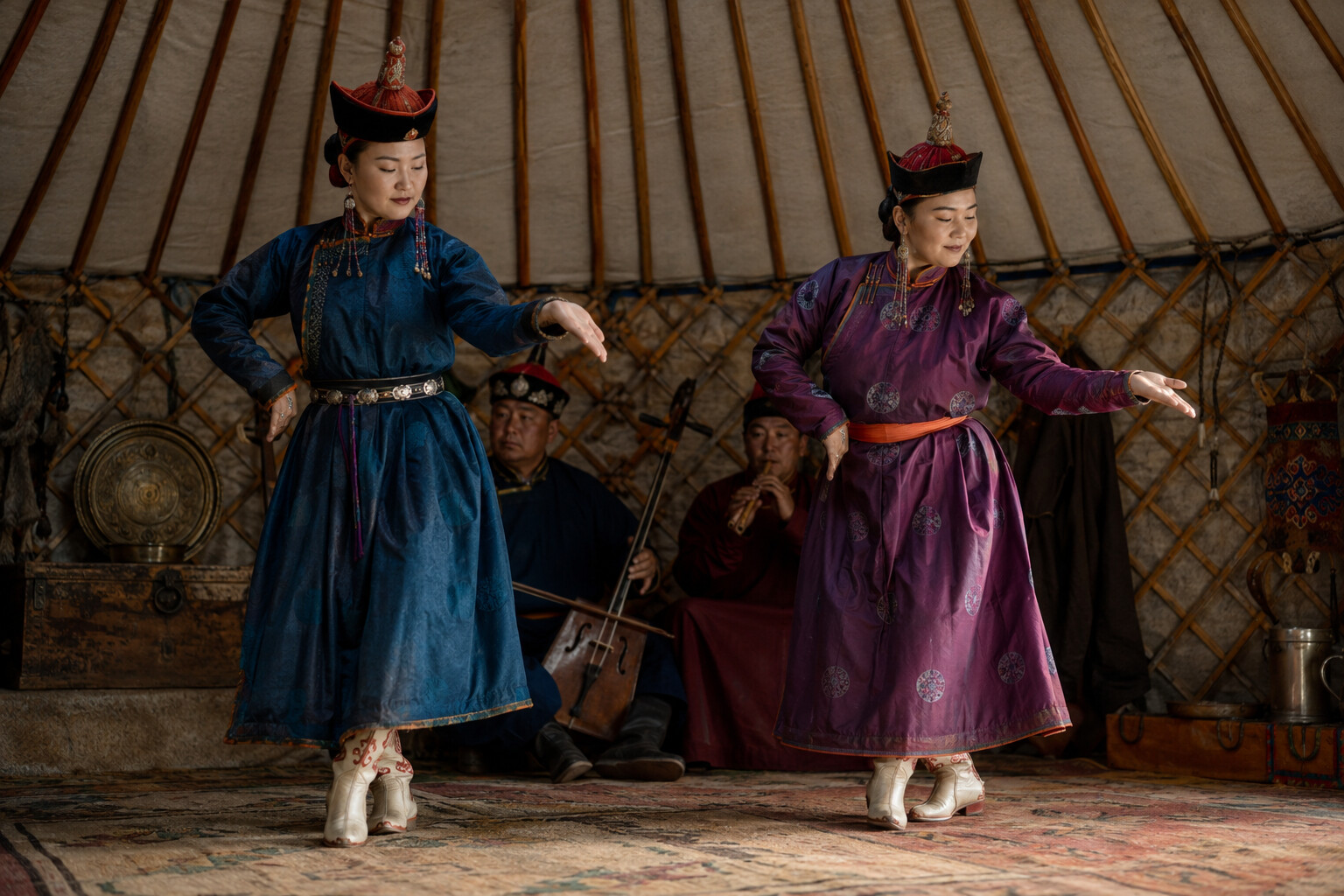
Discover Mongol Biyelgee, the intimate western Mongolian dance shaped by life in the ger, regional identity, music and expressive upper-body movement.
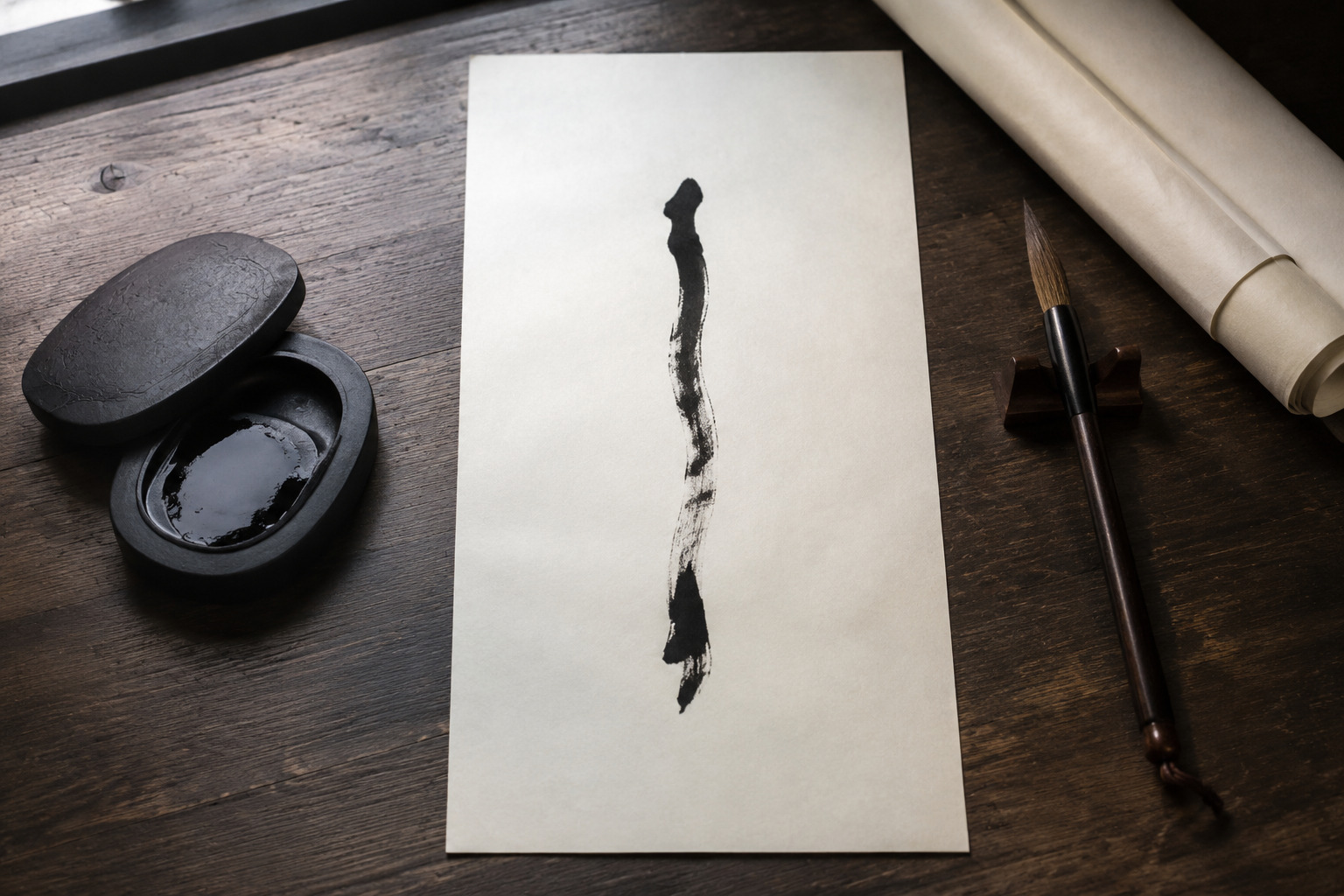
Learn how traditional Mongolian script is written vertically, how calligraphers shape its core strokes and why the art is being safeguarded today.
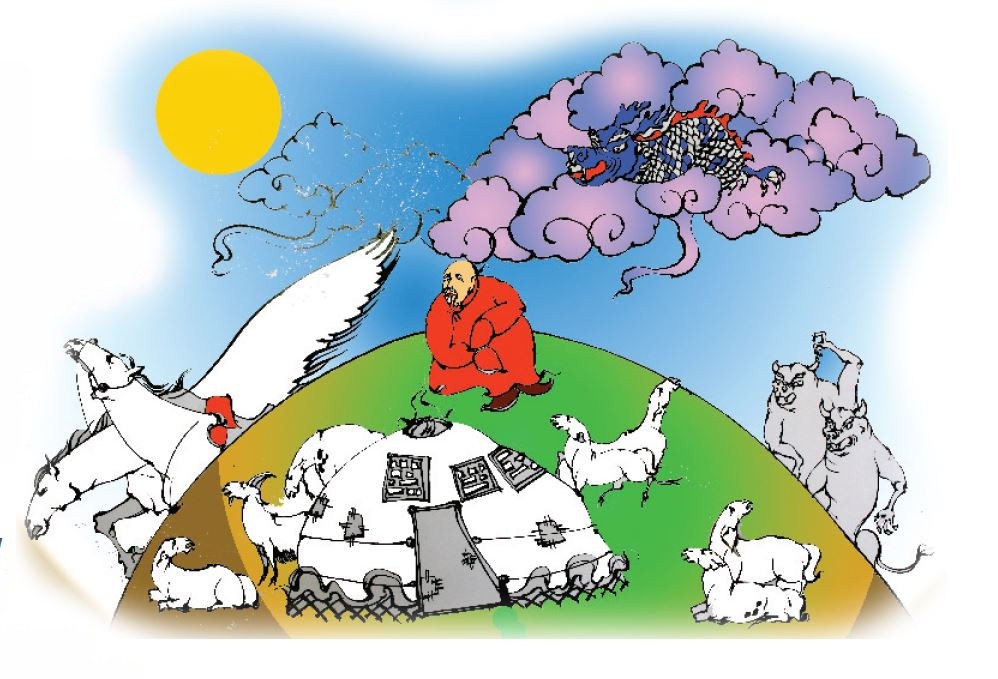
Mongolian fairy tales are built for the speaking voice. A wolf can argue with its dinner, a poor daughter-in-law can outthink a khan, and a foolish hero can stumble into good fortune. The details are local, but the pleasures—wit, danger, justice and surprise—travel easily. The stories below come from Mongolia’s oral prose tradition. English titles […]
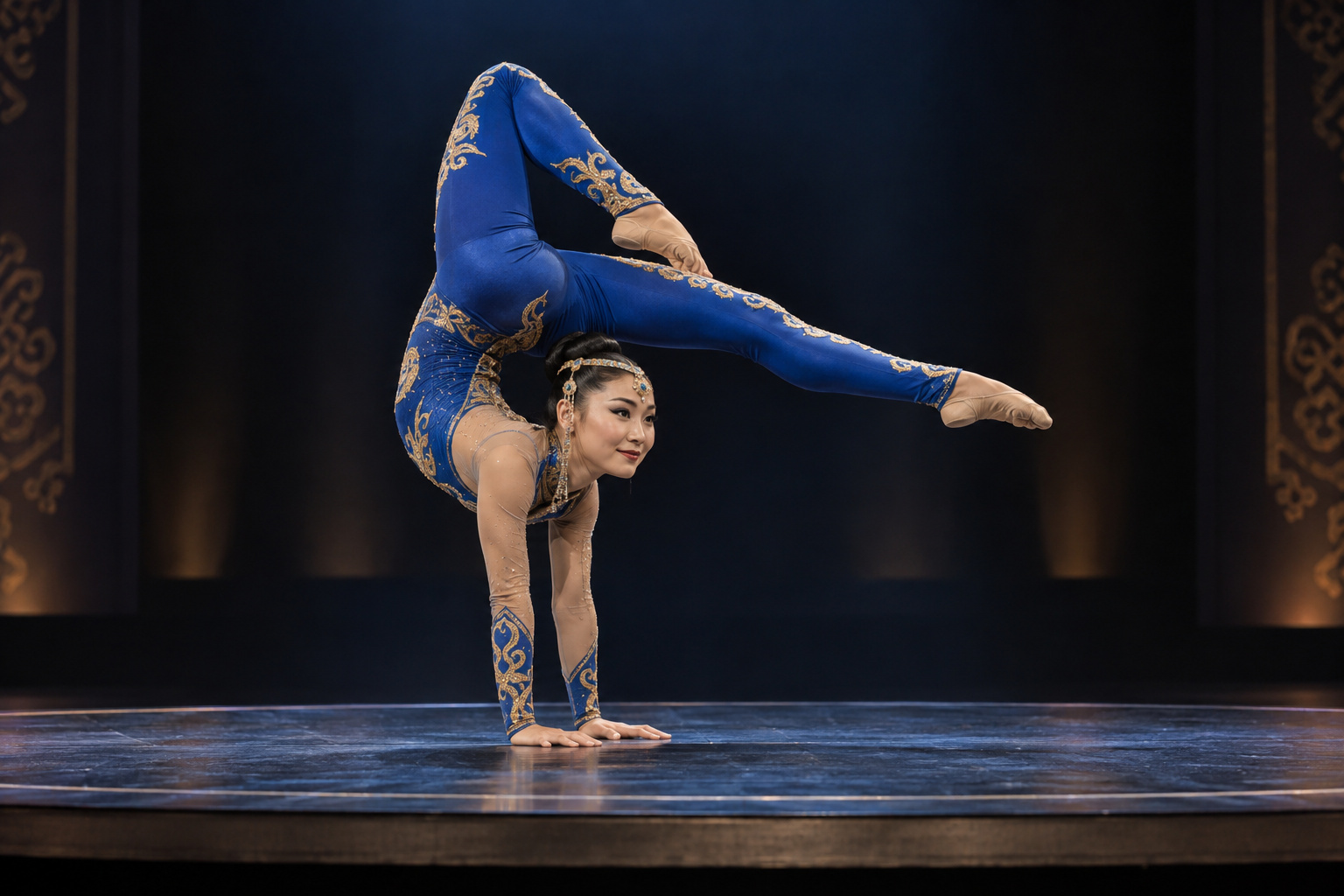
Explore Mongolian contortion as a performing art, from twentieth-century circus schools and stage aesthetics to disciplined, adult, safety-led training.
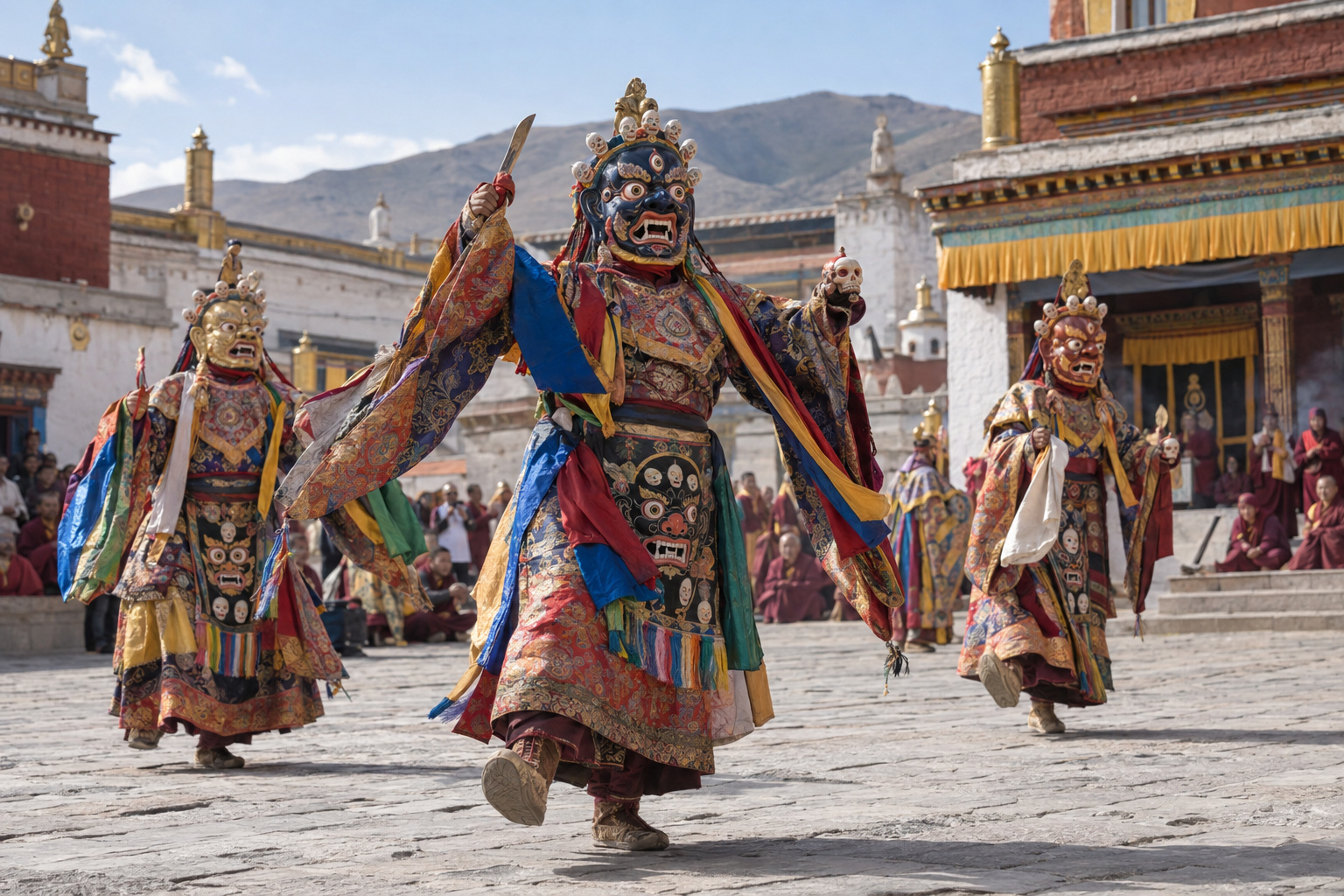
Understand Mongolian Tsam as a Buddhist masked ritual: its deities, masks, music, monastery history, twentieth-century suppression and revival.

The Tsam dance (mask dance) is an assembly of religious dancing by wrathful deities. The characters of tsam dancing are the fanciful figures of Buddhist disciples in their dreamy meditations. The dancing characters seek to drive out evils by their outer appearances and jumping. The dancing is not performed on any fixed day but rather […]