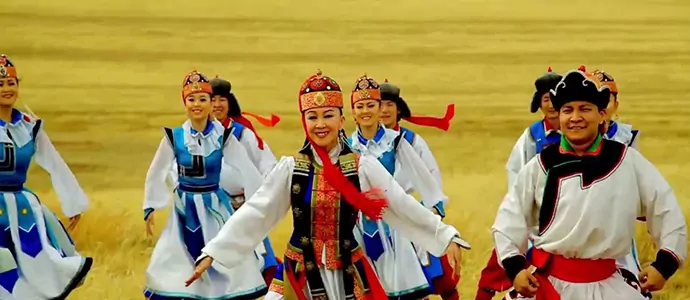
The Mongolian traditional folk dance (Biyelgee Dance) has evolved within open space of the Mongolian felt dwellings (ger), herders’ communities, and the wild steppe. As a very specific form of the traditional performing arts of Mongolia, it serves as the roots and wellspring of Mongolian national and, contemporary dances and is preserved as a rare heritage. Mongol biyelgee dance is performed while half-sitting or cross-legged and is coupled with fist and hand opening and waving, stiff and swift movements of chest and shoulders, the shrugging and shaking them, the crossing of the legs, and steps and walks and other forms that require flexible body movements. There are also movements that require forward and backward motions of the head and chest.
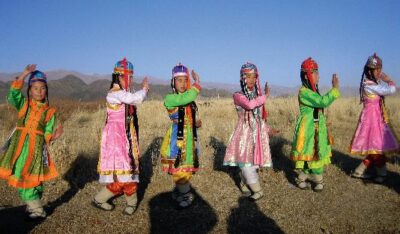 One of the unique features of biyelgee is that it embodies the diversity of cultural expressions of the Mongolian nations. The biyelgee is a unique and inimitable dance art that expresses the diverse livelihood, customs, traditions, emotions as well as spiritual practices of multiethnic groups and nationalities through its movements. Biyelgee dancers dance to the traditional music melodies while wearing unique costumes and accessories and expressing their great skill and emotion. Costume items and accessories are unique creations of various craftspeople who use such skills as needlework, weaving, stitching, leather and hide works, as well as the blacksmithing of gold, silver, and other metals.
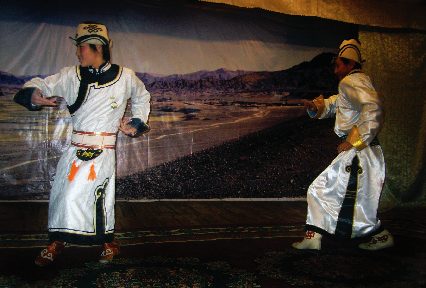
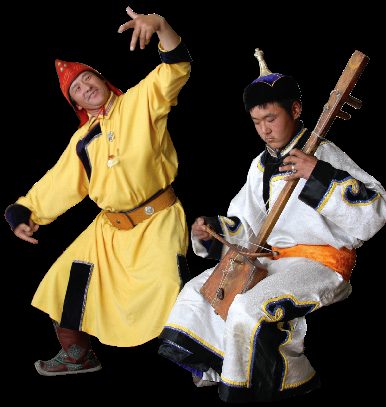
All of this demonstrates the distinct and unique design, style, specific color harmony and ornaments of different ethnic groups. The Mongolian folk dance ‘biyelgee’ inevitably serves characteristic features and movement elements inherited and reflected in Mongolian modern dance arts. This makes this dance unique among the traditional dances of other nationalities in the world. Particularly with this point, biyelgee is maintained as a living heritage of the Mongolians and contributes to the cultural heritage fund of humanity. It plays an important role in protecting and promoting the diversity of cultural expressions all around the world. Tightly linked with Mongolian traditional customs, mentality, and language, the biyelgee supports and encourages community well-being and happiness, while providing an essential factor for sustainable development, peaceful and a tranquil life. Because of its outstanding and universal values and distinct characteristics, the Mongolian biyelgee was inscribed in the UNESCO List of Intangible Cultural Heritage in Need of Urgent Safeguarding in 2009.
Source : ICHCAP.org